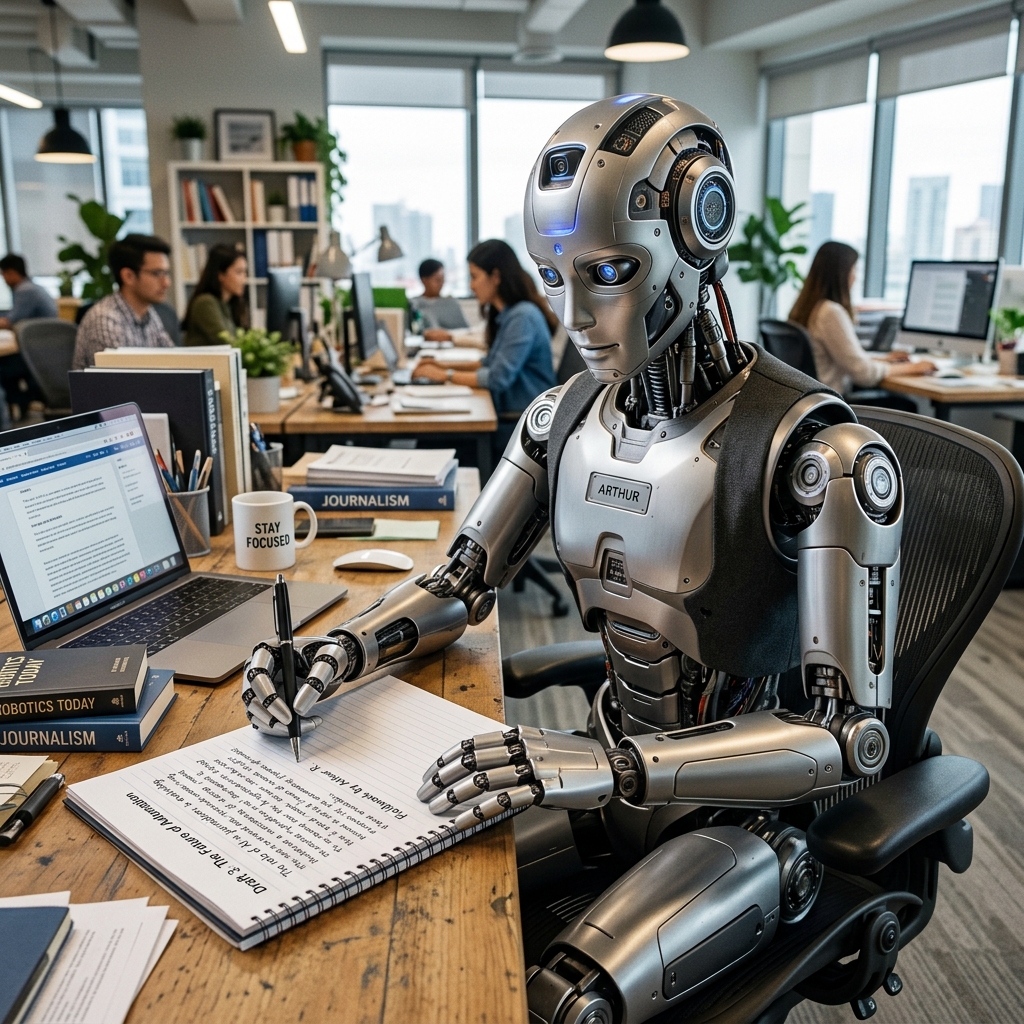
Can AI-generated art be copyrighted? In 2026, the answer is still more nuanced than a simple yes or no. AI tools can produce remarkable illustrations, images, designs, and videos in seconds, but the person who enters a prompt may not automatically own copyright in the result. For creators, the key issue is usually the amount of meaningful human creativity involved—not merely which software generated the file. Copyright offices and courts continue to distinguish between human-authored expression and material produced autonomously by an AI system. This guide explains how Copyright applies to AI-generated art, what kinds of creative contributions may be protected, how real disputes are shaping the rules, and what you can do to document your process. Whether you are an artist, marketer, designer, or business owner, understanding these boundaries can help you license work responsibly and avoid expensive ownership disputes.
Copyright and AI-Generated Art: What the Law Generally Protects
Copyright traditionally protects original works created through human intellectual effort. That includes visual art, photography, writing, music, and graphic design. However, copyright does not automatically protect every digital file or attractive image. The work must contain original expression, and in many jurisdictions, that expression must be attributable to a human creator.
In the United States, guidance from the U.S. Copyright Office indicates that material generated entirely by an AI system is generally not eligible for copyright protection on its own. A prompt may communicate an idea, but a short text instruction does not usually give the user enough control over the final expressive details. As a result, simply typing “create a watercolor landscape at sunset” may not make the resulting image your copyrighted work.
That does not mean every AI-assisted image is unprotected. A creator may own copyright in the human-authored elements, including:
- Original sketches or photographs used as source material
- Substantial edits made after generation
- Human-created composition, selection, arrangement, or layout
- Original text, logos, characters, or other elements added to the image
- A larger compilation containing creative human choices
Protection can therefore exist in part of an AI-assisted work rather than in the entire output. Laws also differ between countries, so creators selling internationally should not assume that a rule in the United States applies everywhere. For broader background, review your jurisdiction’s official copyright guidance and consider reading a related resource such as how to copyright digital art.
How Much Human Creativity Is Enough?
Prompts, revisions, and creative control
The most important question is not whether AI was used, but how the human creator shaped the final result. A detailed prompt can demonstrate creative intent, yet intent alone may not establish ownership if the AI independently determines the image’s key visual features. Repeated prompting, style changes, and selecting the best result may strengthen your evidence of involvement, but they do not automatically guarantee exclusive rights.
By contrast, meaningful human editing is more likely to support copyright protection. For example, an artist might generate a rough concept, redraw the character’s face, replace the background, adjust lighting manually, and combine several outputs into a new composition. The resulting human-authored modifications may be protected even if the underlying AI-generated portions are not.
Registration and disclosure considerations
Creators seeking registration should keep accurate records of their process. Depending on the applicable rules, an application may need to identify AI-generated material and describe the human-authored contributions. Failing to disclose significant AI involvement can create problems if you later try to enforce your rights.
Maintain:
- Original sketches, source files, and reference images
- Prompt history and generation dates
- Layered editing files showing your changes
- Before-and-after versions
- Notes explaining your creative decisions
This evidence will not transform purely machine-generated content into human authorship. Nevertheless, it can show where your original expression begins and help establish ownership of the protectable parts.
Real Examples and Risks for Creators
A useful example is the U.S. Copyright Office’s treatment of Théâtre D’opéra Spatial, an AI-assisted image that received attention after winning an art competition. The work’s creator described using an AI image generator and making additional changes. The broader lesson was that registration may depend on which portions reflect human creativity, not simply on whether the image is visually impressive.
Another example is the continuing litigation involving artists, image-generation companies, and claims about training data. Cases such as Andersen v. Stability AI have raised difficult questions about whether copyrighted works were used to train models and whether generated outputs infringe protected expression. These disputes remain fact-specific and do not establish that every AI output infringes or that every model is legally cleared.
Creators face several practical risks:
- Unclear ownership: A platform’s terms may grant you certain rights without guaranteeing copyright protection.
- Similar outputs: Other users may generate images that closely resemble yours.
- Training-data concerns: A model’s dataset may include disputed or unauthorized material.
- Commercial restrictions: Some tools impose different rules on free and paid plans.
- Contract problems: Clients may expect exclusive ownership that you cannot legally promise.
Before selling an AI-assisted design, read the tool’s current terms, confirm commercial-use permissions, and explain limitations in your client agreement. You can also compare these issues with guidance on using AI art commercially.
How to Protect Your AI-Assisted Artwork in 2026
The safest approach is to treat AI as one tool in a larger creative workflow. Start with your own concept, references, sketches, or photographs. Use the generator for experimentation, then make substantial edits in professional software. Save every stage and avoid claiming that an entirely machine-generated image is exclusively copyrighted unless qualified legal advice supports that position.
When licensing the work, use precise language. Instead of promising “exclusive copyright in the entire image,” specify which human-created elements you own and what permissions you are granting. If a client requires full ownership, explain that some AI-generated components may be unprotectable or subject to the platform’s terms.
Also consider trademark, privacy, publicity, and contractual issues. An AI image can create legal problems even when copyright is uncertain—for instance, if it imitates a living artist’s distinctive branding, includes a recognizable person, or uses a protected logo.
Rules will continue developing in 2026, so revisit platform policies and official government guidance regularly. For high-value commissions, registrations, or disputes, consult an intellectual-property attorney familiar with generative AI.
Conclusion: Build a Documented, Human-Led Creative Process
AI-generated art is not automatically protected—or automatically free to use. In most cases, copyright focuses on the human creativity behind the final work. Prompts and selections may contribute to a project, but substantial editing, original source material, and creative arrangement provide stronger evidence of authorship.
If you create with AI, document your workflow, check the tool’s license, disclose AI involvement when required, and make realistic promises to clients. These steps can protect your reputation while helping you identify which parts of an image you can safely license.
Before publishing or selling your next AI-assisted artwork, audit its source files, permissions, and human contributions. If the project has significant commercial value, get professional legal advice before signing away rights.