

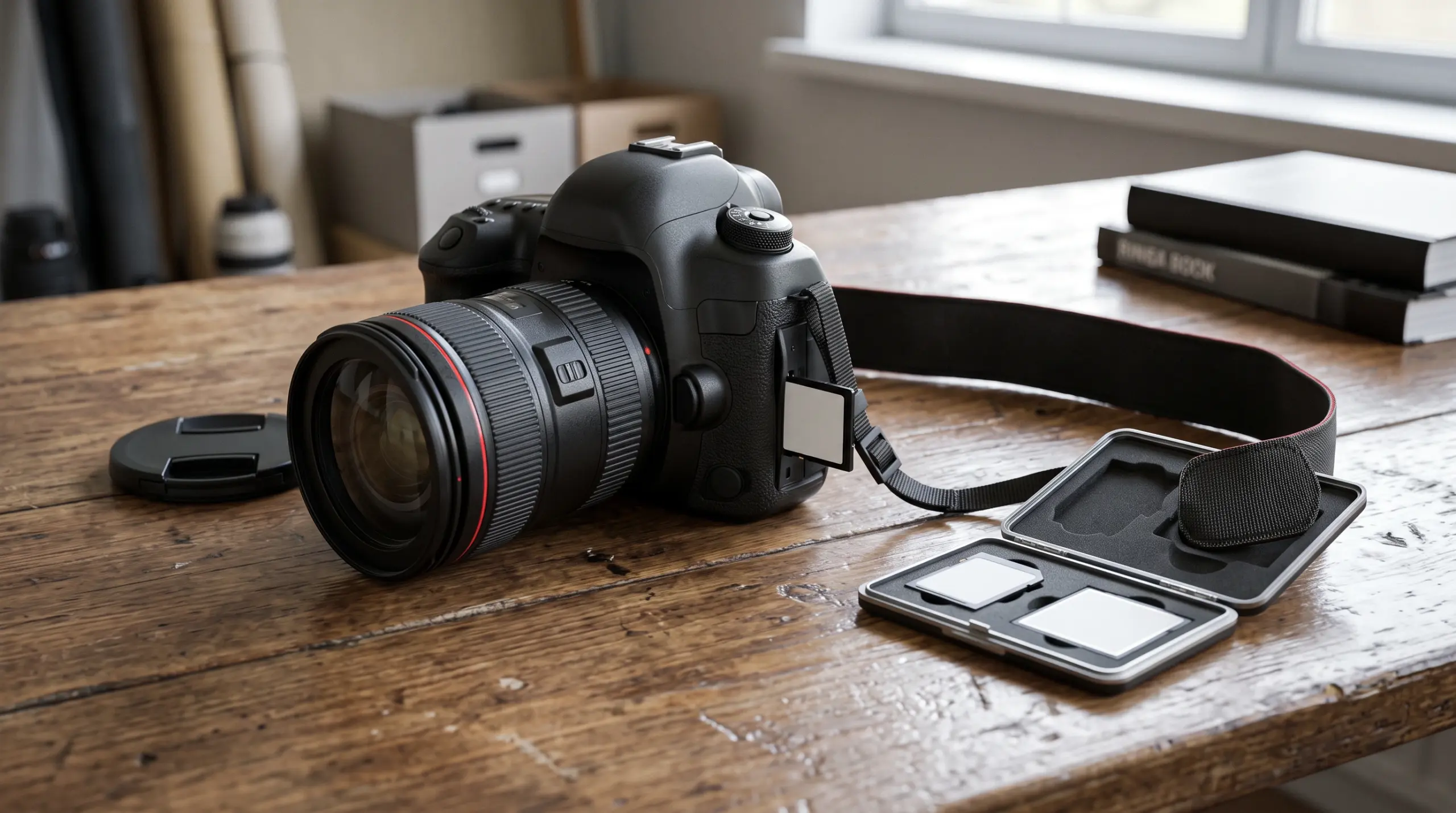
Copyright protection for photography begins the moment you create an original image, but ownership and proof are not the same thing. A photographer may own a photograph automatically and still face difficulty proving when it was made, who created it, or whether a copied file came from the photographer’s original work. That is why a practical protection strategy should combine organized records, strong files, clear licensing terms, and appropriate registration. In this guide, you will learn how to prove photo ownership, preserve timestamped photo evidence, respond to image theft, and understand where a notarized copyright certificate fits into the process. You will also see why documentation can support your claim but cannot replace registration with the U.S. Copyright Office when federal litigation or certain remedies become necessary.
Copyright Protection for Photography Starts at Creation
In the United States, copyright generally exists automatically when a photographer creates an original image and fixes it in a tangible medium. Pressing the shutter, saving the digital file, or otherwise recording the photograph can establish the basic foundation of copyright ownership. You do not have to wait for a certificate from the government before copyright exists.
Copyright can give the owner exclusive rights to reproduce, distribute, publicly display, and prepare derivative versions of the photograph, subject to the limitations and exceptions in copyright law. Those rights are valuable for commercial photographers, wedding photographers, product photographers, photojournalists, artists, and anyone who publishes original images online.
However, automatic protection does not automatically produce a complete evidentiary file. If a website copies your photograph, a former client claims it supplied the image, or another person publishes a similar file first, you may need to establish several facts:
- That you created the image or acquired the rights from its creator.
- When the photograph was created and preserved.
- What the original file looked like before editing or publication.
- How the disputed copy relates to your original work.
- Whether the other party had permission to use the photograph.
For that reason, photography copyright protection is both a legal issue and a recordkeeping issue. Metadata, RAW files, project folders, contracts, invoices, publication records, and backups can all help establish a chain of ownership. A carefully maintained record is usually more persuasive than a vague statement that “I took this photo first.”
How to Prove Photo Ownership With a Strong Evidence Trail
Preserve originals and production records
Your original camera files are among the most useful records for proving authorship. Whenever possible, preserve RAW files, original JPEGs, contact sheets, editing project files, exported versions, and related notes. Avoid overwriting the only copy of an original file with an edited version. Instead, retain a clear folder structure that shows the progression from capture to final delivery.
Camera metadata may include the date and time of capture, camera model, lens information, and technical settings. Metadata can be edited, removed, or affected by incorrect camera settings, so it should not be treated as conclusive by itself. Nevertheless, it can form an important part of a larger evidence trail when it matches other records.
Keep records that connect the image to your work. These might include a signed client agreement, model release, location permission, invoice, email correspondence, shoot calendar, social media publication, or delivery receipt. Together, these materials can help demonstrate not only that the file existed, but also how and when it was created.
Create reliable, dated documentation
Cloud storage and backup services can help preserve files, but a file’s upload date is not always a complete authorship record. Providers may change systems, accounts may be compromised, and a platform record may not clearly identify the person who created the image. Use multiple forms of documentation rather than relying on one platform.
Some photographers also create a dated record of selected images and their identifying information. Copyrightrecords.com provides a certificate paired with notarization for this purpose. The certificate records the creator’s claim and the work at a particular point in time, while notarization adds an independent third party’s confirmation of the signing or record process. This creates timestamped photo evidence that can be harder to dismiss than an unsupported personal assertion.
Such documentation is evidentiary protection, not federal copyright registration. It can help prove your position if a dispute arises, but it does not give you the right to file a federal infringement lawsuit by itself. It works alongside other records and, when appropriate, U.S. Copyright Office registration.
Photographer Copyright Registration and Federal Remedies
Documentation and registration serve different purposes. A notarized certificate can help establish a dated, witnessed record of authorship. Registration with the U.S. Copyright Office is the federal process that creates an official registration record and is especially important if you expect to enforce your rights in court.
Why U.S. registration matters
Under 17 U.S.C. §411(a), a copyright owner generally must have an application, deposit, and fee accepted by the U.S. Copyright Office before filing a federal copyright infringement lawsuit. In Fourth Estate Public Benefit Corp. v. Wall-Street.com, LLC (2019), the Supreme Court confirmed that the registration approach generally requires action by the Copyright Office, rather than merely submitting an application.
A photographer should also understand the timing rules for remedies. Statutory damages and attorney’s fees are generally tied to timely registration, including registration before infringement begins or within the applicable statutory window after first publication. A private certificate does not create those remedies and does not change the federal registration requirement.
Registration may be particularly important when you publish a collection of photographs or regularly license images to clients. The appropriate application and group-registration options can depend on factors such as whether images are published, how many works are included, and when they were created. Because the details can be technical, photographers with significant commercial exposure may wish to consult a qualified copyright attorney.
Use both records strategically
The strongest approach is not to choose between documentation and registration as though they were interchangeable. Instead, use them for different jobs:
- Preserve the source material: retain originals, metadata, project files, and backups.
- Create a dated authorship record: document important images or collections before licensing, publication, or a foreseeable dispute.
- Register with the U.S. Copyright Office: do so when the value, visibility, or infringement risk justifies it, while paying attention to timing.
- Maintain transaction records: keep licenses, invoices, permissions, and delivery communications.
- Respond carefully: gather evidence before sending a demand or making legal claims.
This layered approach makes it easier to explain the history of an image and preserves options if unauthorized use occurs.
Image Theft Protection for Websites and Social Media
Online publication makes photographs discoverable, shareable, and vulnerable to unauthorized copying. No single technical measure prevents every theft, and visible watermarks can be removed. Still, practical safeguards can reduce misuse and improve your ability to identify the original source.
Reduce preventable copying
Consider publishing appropriately sized images rather than unnecessarily large files, using visible or subtle watermarks for high-value work, and placing copyright and licensing information near galleries. Website terms should explain whether visitors may download, share, or reuse images. These steps do not eliminate infringement, but they make your expectations clearer.
Keep a private archive of high-resolution originals and maintain a list of where important photographs were first published. Reverse-image search tools can help locate copies, although they will not find every use. Periodically searching distinctive images, especially commercial or viral work, can reveal unauthorized publication sooner.
What to do after discovering unauthorized use
When you find a suspected infringement, save evidence before contacting the user. Capture screenshots showing the full webpage, URL, account name, date, and image placement. Save copies of the page or relevant communications where lawful and practical. Record whether the image is being sold, used in advertising, attributed to someone else, or displayed without commercial activity.
Then compare the disputed image with your records. Preserve the original file, editing history, publication history, license terms, and any dated certificate or notarized record. Check whether the use might be authorized by a prior client, stock license, platform license, or applicable legal exception.
Depending on the circumstances, possible next steps may include a professional permission request, a licensing invoice, a platform takedown process, or advice from a copyright lawyer. Do not assume every unauthorized-looking use has the same legal outcome. Fair use, implied permission, contractual terms, and other issues can affect the analysis.
Why Timestamped Photo Evidence Can Strengthen Your Position
A dispute often turns on credibility and chronology. If two people make competing claims, a well-organized record can show what you created, when you recorded it, and how the work developed. Timestamped photo evidence is useful because it anchors the authorship claim to a particular date rather than leaving the issue to memory.
A certificate from Copyrightrecords.com documents the creator’s claim regarding identified work. Notarization adds a third-party confirmation to the record. This is different from simply emailing a photograph to yourself or mailing a sealed envelope to yourself. The so-called “poor man’s copyright” is not a substitute for federal registration, and a postmark alone does not establish every fact needed in a dispute. A notarized record may provide stronger, more structured evidence because an independent person confirms the relevant execution or acknowledgment.
The service operates through a church-based unincorporated association, but the record should be understood accurately: it is a copyright documentation and notarization record, not a baptism, marriage, or other record created in the ordinary course of religious life. Its value comes from the documented work, the creator’s representation, the date, and the independent notarization—not from implying that it is a government registration.
For photographers, this type of documentation can be especially helpful before launching a collection, delivering a large commercial project, publishing a portfolio, or licensing images to multiple users. It provides an affordable additional layer of evidence while you continue to maintain original files and consider federal registration for important work.
Conclusion: Build Proof Before You Need It
Copyright protection for photography is strongest when ownership, timing, and permission records are addressed before a dispute occurs. Preserve original files, maintain metadata and production records, use clear contracts and licenses, monitor important images, and document unauthorized uses promptly. A certificate paired with notarization can create dated, witnessed evidence that supports your claim of authorship and helps prove photo ownership. It does not replace U.S. Copyright Office registration, does not by itself authorize a federal lawsuit, and does not create statutory damages or attorney’s fees.
If you want an affordable record of your photographs and authorship claim, Copyrightrecords.com can provide complementary documentation and notarization. Use it as one part of a broader image theft protection strategy—and consult a qualified attorney when the value, complexity, or stakes of a dispute require legal advice.









